Small Business & Freelance
Track Side Hustle Income and Expenses in Canada
A side hustle can feel casual until tax time arrives. Whether you freelance, tutor, resell, create content, deliver services, or sell digital products, clean records help you understand profit and prepare for reporting. This guide gives general Canadian organization tips, not tax advice.
Want it on paper? This guide pairs with our Side Hustle Income Tracker printable ($3.99).
Track income from day one
Record every payment, even if the amount is small or the platform sends a year-end summary. Write the date earned, date paid, client or platform, description, gross amount, fees deducted, net amount received, and payment method. If you accept payments in another currency, record the CAD value and keep the conversion information you used.
Side hustle income can come from many places: invoices, marketplace payouts, affiliate payments, tips, cash, e-transfers, ad revenue, sponsorships, rental income, royalties, or coaching sessions. A side hustle income tracker helps you see which streams are profitable instead of relying on bank deposits that mix business and personal money.
This is general information, not tax advice. Canadian tax rules depend on your facts, province, business type, and income. Consult CRA guidance or a qualified accountant for advice about reporting, deductions, GST/HST, and registration.
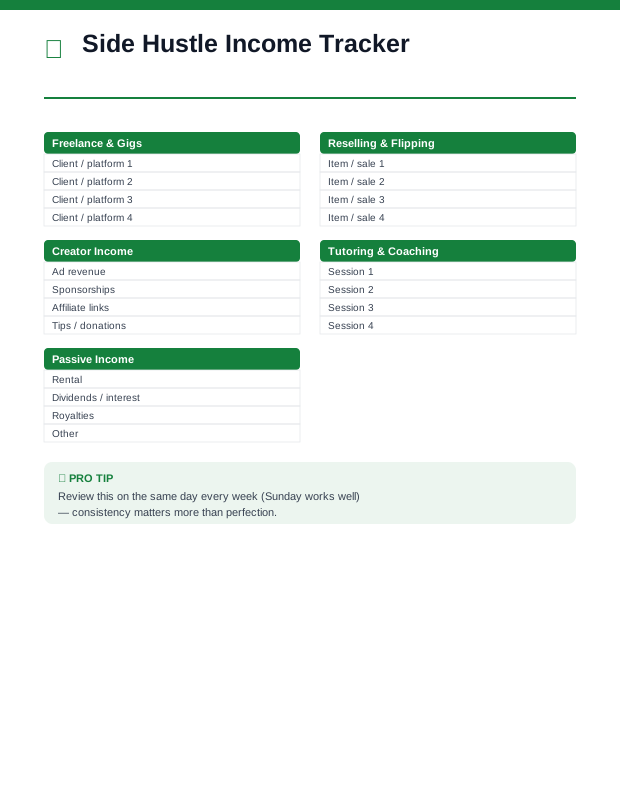 📄 PDF · Instant download1 page
Side Hustle Income Tracker
Track every income stream — freelance gigs, reselling, tutoring, content, and more — hours worked and money earned, all in one ledger.
Separate gross, fees, and profit
A common mistake is treating deposits as income and ignoring platform fees, payment processing fees, refunds, shipping, supplies, or subcontractor costs. If a client pays $500 CAD and a platform keeps $50 CAD, you need records that show the full picture. Gross income, fees, expenses, and net profit answer different questions.
Profit matters for business decisions. If a product sells often but requires expensive packaging and hours of unpaid admin, it may earn less than a smaller service with fewer costs. Track hours alongside income when possible. Your hourly reality may surprise you, and it can guide pricing, boundaries, or whether the side hustle is worth scaling.
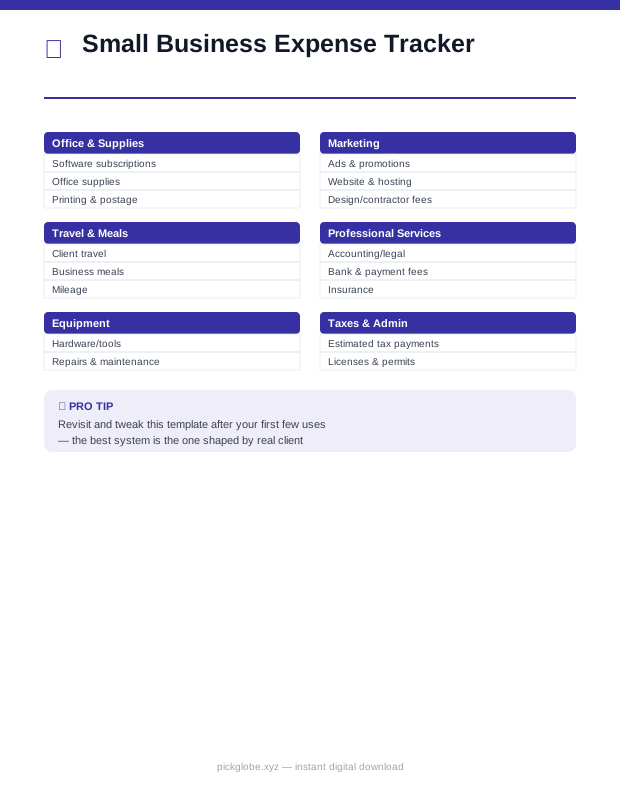 📄 PDF · Instant download1 page
Small Business Expense Tracker
A colorful, category-by-category expense ledger that makes tax time painless — no more shoebox of receipts.
Keep expense records that make sense
Business expenses should be recorded with date, vendor, category, amount, payment method, and business purpose. Keep receipts, invoices, bank statements, mileage logs if relevant, and notes for mixed-use expenses. Categories might include software, supplies, advertising, transaction fees, professional services, equipment, postage, education, phone, internet, travel, and home office costs if applicable.
The CRA generally expects books and records to be supported and kept for several years; six years from the end of the last tax year they relate to is a common record-retention expectation. Do not rely on a platform dashboard as your only archive. Download reports and keep your own organized copies in a secure folder.
📄 PDF · Instant download1 pageSmall Business Expense Tracker
A colorful, category-by-category expense ledger that makes tax time painless — no more shoebox of receipts.
Use invoices even for simple work
Invoices create a paper trail. Include your name or business name, contact information, client name, invoice number, date, description, amount, payment terms, taxes if applicable, and payment instructions. Use a consistent numbering system so missing invoices are easy to spot. Mark invoices as sent, due, overdue, and paid.
An invoice tracker is especially useful when side hustle work happens around a full-time job. Without a tracker, late payments blend into busyness. Review open invoices weekly and follow up before they become awkward. Clear payment terms are not rude; they are part of running even a small business professionally.
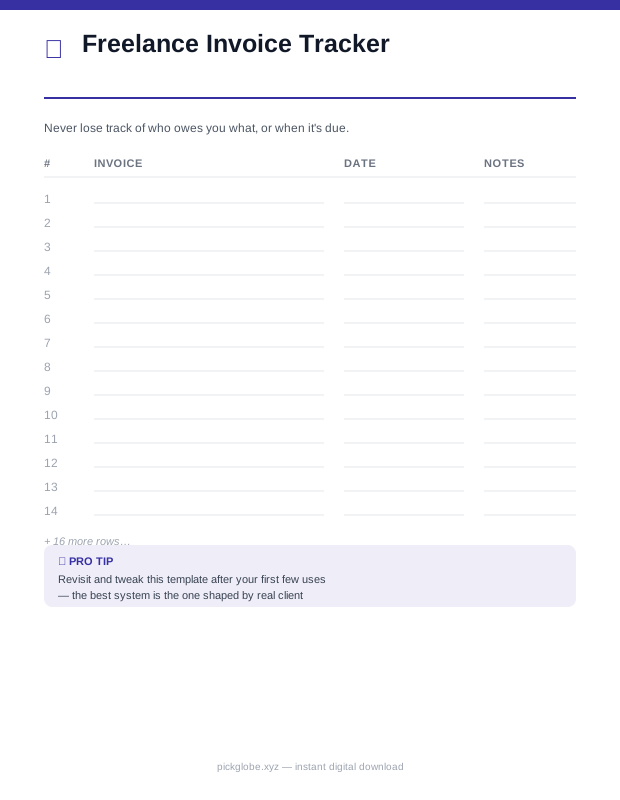 📄 PDF · Instant download2 pages
Freelance Invoice Tracker
Keep every invoice, due date, and payment status organized in one simple log.
Understand the GST/HST small-supplier threshold
In Canada, many small suppliers do not have to register for GST/HST until they exceed $30,000 CAD in worldwide taxable supplies over four consecutive calendar quarters. There are important details and exceptions, and some types of businesses, such as taxi and ride-share drivers, have special rules. If you approach the threshold, check CRA guidance promptly rather than waiting until year end.
Do not confuse the GST/HST threshold with income tax reporting. Income may still need to be reported even if you are below the GST/HST registration threshold. If you do register, your invoices, pricing, records, and remittance routine need to change. This is an area where an accountant or CRA source can prevent expensive mistakes.
- Track cumulative taxable revenue, not just profit.
- Know that $30,000 CAD is a GST/HST small-supplier threshold, not a general tax-free amount.
- Check exceptions and timing rules directly with CRA.
- Ask an accountant before you cross the threshold if your situation is unclear.
Create a monthly bookkeeping routine
Monthly bookkeeping does not need to be complicated. Choose one recurring date to update income, expenses, invoices, receipts, mileage, tax set-asides, and notes. Reconcile your tracker to bank and platform deposits. Save statements and export platform reports before access changes. If you use cash, record it immediately because memory fades quickly.
Set aside money for tax in a separate account if possible. The percentage depends on your total income, province, deductions, and whether GST/HST applies, so get advice for the number. The habit matters: moving a portion of each payment keeps tax time from becoming a cash emergency.
📄 PDF · Instant download1 pageSide Hustle Income Tracker
Track every income stream — freelance gigs, reselling, tutoring, content, and more — hours worked and money earned, all in one ledger.
📄 PDF · Instant download1 pageSmall Business Expense Tracker
A colorful, category-by-category expense ledger that makes tax time painless — no more shoebox of receipts.
Use records to make better decisions
Good records are not only for tax time. They show which clients pay late, which products have the best margin, which months are seasonal, which expenses are creeping up, and whether your rates still make sense. Review income by stream and expenses by category each quarter. Then decide what to stop, improve, raise, automate, or promote.
If your side hustle is growing, consider whether you need separate banking, bookkeeping software, business registration, insurance, contracts, or professional help. A printable tracker is a strong starting point because it builds awareness. As complexity increases, your system should grow with it.
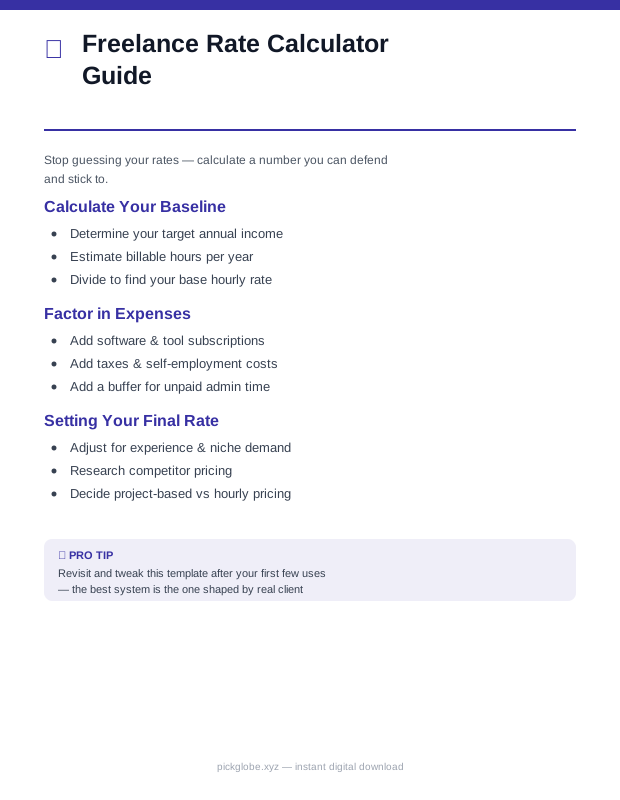 📄 PDF · Instant download2 pages
Freelance Rate Calculator Guide
A step-by-step framework to price your freelance services with confidence.
Frequently asked questions
Do I need to report side hustle income in Canada?+
Side hustle income may need to be reported even if it is small or below the GST/HST threshold. Check CRA guidance or ask an accountant.
How long should I keep side hustle receipts?+
CRA record-keeping expectations commonly require keeping supporting records for six years after the tax year they relate to.
What is the $30,000 GST/HST threshold?+
It is the small-supplier threshold for many businesses based on worldwide taxable supplies over four consecutive calendar quarters, with exceptions.
What should I track for each invoice?+
Track invoice number, client, date sent, due date, amount, tax if applicable, payment status, and follow-up notes.