Money & Budgeting
Zero-Based Budgeting for Beginners in Canada
Zero-based budgeting means every dollar of income gets a job before the month begins. A job can be rent, groceries, debt, savings, investing, giving, or a buffer, so the goal is not to spend everything. The goal is to make sure income minus planned jobs equals zero.
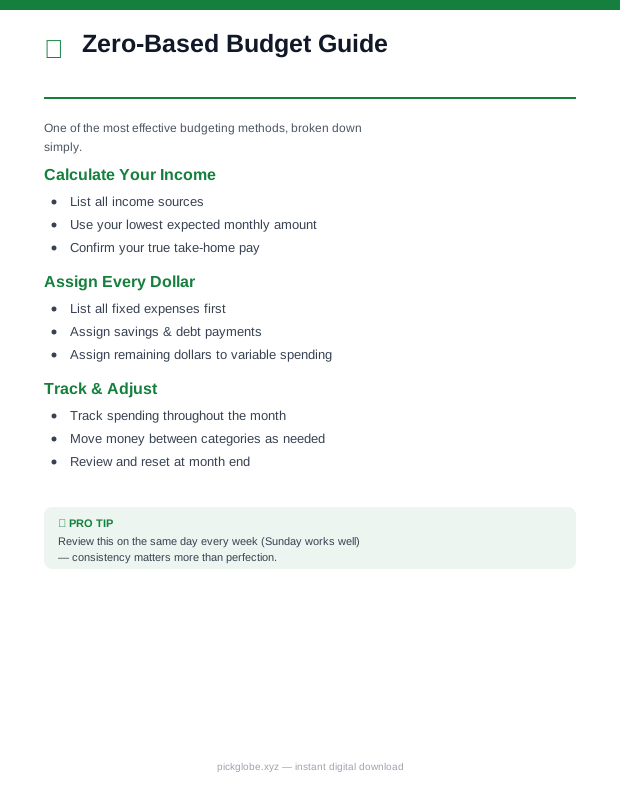
Want it on paper? This guide pairs with our Zero-Based Budget Guide printable ($3.99).
The zero-based budget formula
The basic formula is simple: monthly income minus expenses, savings, debt payments, and planned buffers equals zero. If you bring home $4,200 CAD, you assign the full $4,200 CAD on paper before the month starts. That might include $1,800 for rent, $650 for groceries, $300 for transit and fuel, $400 for debt, $500 for savings, and smaller amounts for utilities, phone, insurance, gifts, clothing, and fun.
Zero does not mean your bank account should hit zero. It means no money is left floating without a purpose. Emergency fund contributions, sinking funds, RRSP or TFSA contributions, and debt payments all count as assigned jobs. This guide is general financial information, not financial advice. Consider speaking with a qualified professional for decisions about debt, investing, tax, or benefits.
 📄 PDF · Instant download2 pages
Zero-Based Budget Guide
A step-by-step guide to giving every dollar a job using the zero-based budgeting method.
Use Canadian take-home income
Start with money you actually expect to receive in your account, not gross salary. In Canada, payroll deductions may include income tax, CPP, EI, pension contributions, union dues, benefit premiums, or other deductions. If your pay varies, use the lowest realistic monthly amount and make a plan for extra income only after it arrives.
List all income sources: employment pay, side hustle income after set-asides, child benefits, support payments, student income, rental income, or other deposits. If income arrives biweekly, remember that most months have two paycheques and a few months have three. Give the third cheque a job too, such as topping up an emergency fund or paying an annual bill.
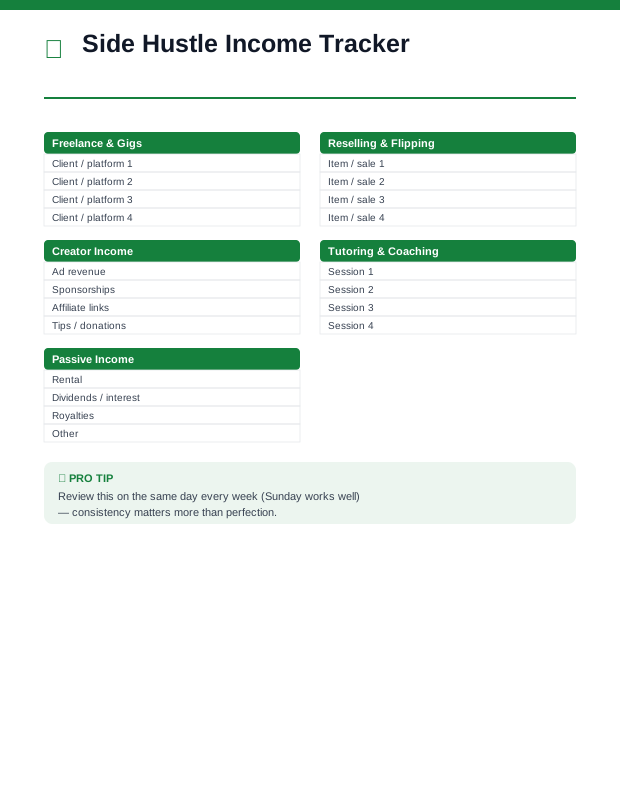 📄 PDF · Instant download1 page
Side Hustle Income Tracker
Track every income stream — freelance gigs, reselling, tutoring, content, and more — hours worked and money earned, all in one ledger.
List fixed, variable, and irregular costs
Fixed expenses are predictable: rent or mortgage, insurance, internet, phone, loan payments, subscriptions, and childcare. Variable expenses change each month: groceries, gas, transit, dining out, gifts, clothing, entertainment, and household supplies. Irregular expenses are the budget breakers because they are real but easy to forget: car maintenance, school fees, holidays, annual memberships, dental work, vet visits, and passport renewals.
A monthly budget tracker helps you compare planned and actual spending. For the first month, expect your numbers to be imperfect. You are gathering data, not taking a test. If groceries are higher than planned, move money from another category before the month ends. The zero-based method is flexible as long as every change is intentional.
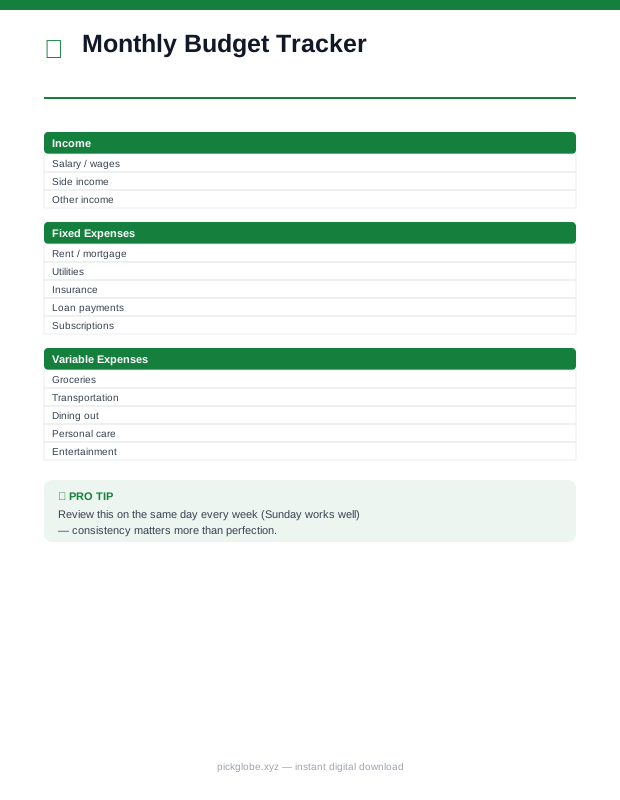 📄 PDF · Instant download1 page
Monthly Budget Tracker
An elegant single-page ledger for income, fixed costs, and discretionary spending — budgeted vs. actual, at a glance.
Build sinking funds
A sinking fund is a small monthly amount saved for a known future expense. Instead of being surprised by $600 CAD in car repairs, you might set aside $50 CAD per month. Instead of using credit for holiday gifts, you might save $75 CAD per month all year. This makes irregular expenses part of the budget rather than emergencies.
Choose the funds that match your life. Common Canadian categories include winter tires, car insurance, property tax, school supplies, pet care, medical or dental costs not covered by benefits, travel, gifts, home maintenance, and clothing. Keep the number manageable. Too many tiny funds can become confusing, so combine categories if needed.
- Annual cost divided by 12 equals the monthly sinking fund amount.
- Keep emergency savings separate from predictable sinking funds.
- Review balances before making seasonal purchases.
- If income is tight, start with the categories most likely to become debt.
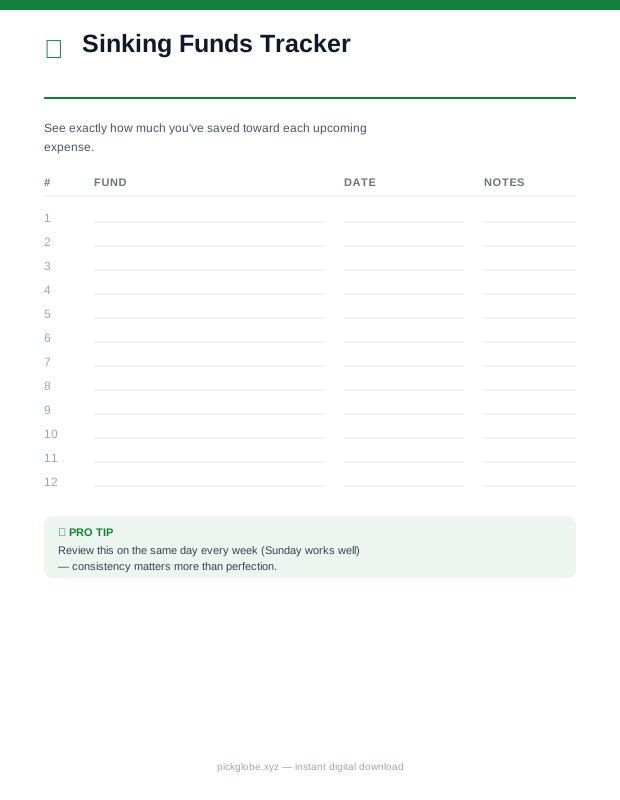 📄 PDF · Instant download1 page
Sinking Funds Tracker
Track savings progress across all your sinking funds — car repairs, gifts, vacations, and more.
Budget for inflation and price changes
A budget is not a failure because groceries, rent, insurance, or transportation costs rise. It is a planning tool that needs updates. Compare last month and this month by category so you can see where price pressure is real. If several essentials have increased, do not pretend the old numbers still work. Reassign money before debt fills the gap.
Look for changes with the biggest monthly impact first. A $3 subscription matters less than a $150 insurance increase, but many small subscriptions can add up. If you cannot cut enough from discretionary categories, the budget is telling you something important: you may need a bigger income plan, a benefits review, debt advice, or a slower savings timeline.
 📄 PDF · Instant download1 page
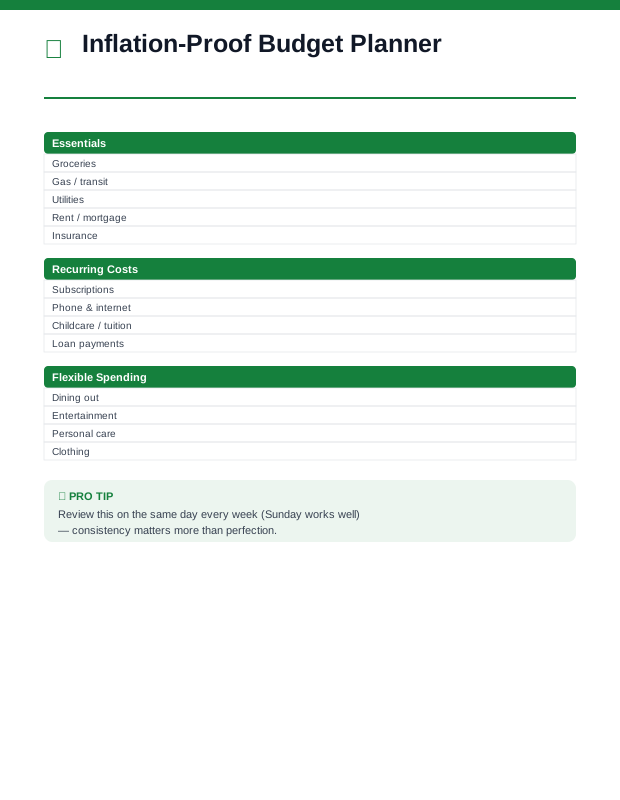
Inflation-Proof Budget Planner
Compare your spending month-to-month across every category so rising prices don't quietly eat your budget.
 📄 PDF · Instant download1 page
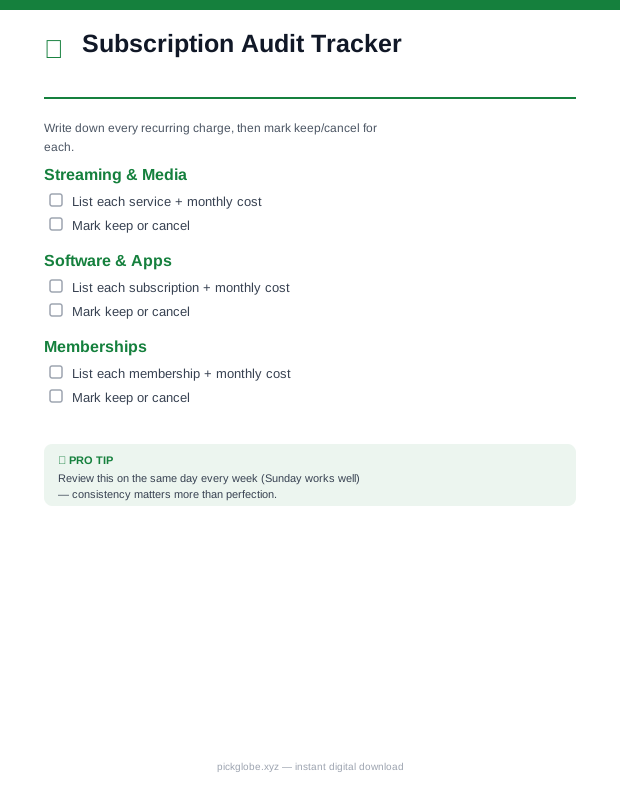
Subscription Audit Tracker
List every subscription you pay for, spot the ones you forgot about, and cut the waste.
Review weekly, not just monthly
Zero-based budgeting works best with a short weekly check-in. Look at actual spending, move money between categories, and decide what is left for the rest of the month. Waiting until month end turns the budget into a report card. Reviewing weekly turns it into a steering wheel.
Use a simple routine: update transactions, compare planned versus actual amounts, move money if needed, check upcoming bills, and choose one action for the week. That action might be meal planning, cancelling a subscription, delaying a purchase, sending money to savings, or making an extra debt payment.
Common beginner mistakes
The first mistake is being too optimistic. If you normally spend $900 CAD on groceries and household items, budgeting $500 CAD without a realistic plan will make the system feel impossible. The second mistake is using a giant miscellaneous category. Miscellaneous hides patterns. Give common spending its own category, even if the amount is small.
The third mistake is quitting after one imperfect month. Your first budget is a draft. Your second budget is better. By the third or fourth month, you will know which numbers are steady, which categories need sinking funds, and where your habits are changing. The printable guide is helpful because it slows the process down and keeps the whole month visible.
📄 PDF · Instant download2 pagesZero-Based Budget Guide
A step-by-step guide to giving every dollar a job using the zero-based budgeting method.
📄 PDF · Instant download1 pageMonthly Budget Tracker
An elegant single-page ledger for income, fixed costs, and discretionary spending — budgeted vs. actual, at a glance.
Frequently asked questions
Is zero-based budgeting good for variable income?+
Yes, but use your lowest realistic income as the base. Assign extra money only after it arrives.
Does zero-based budgeting mean I spend all my money?+
No. Savings, investing, debt payments, and buffers are all jobs for your dollars.
How often should I update my budget?+
A weekly check-in is usually enough for beginners, with a full reset before each new month.
What currency should I use for a Canadian budget?+
Use CAD for all categories. Convert foreign purchases promptly so the actual cost is clear.
Printables for this
 📄 PDF · Instant download1 page
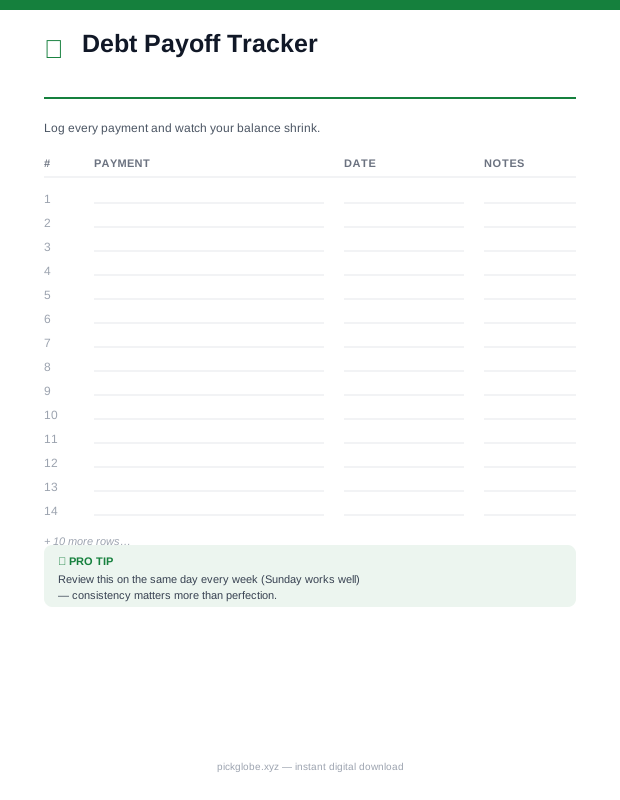
Debt Payoff Tracker
Visualize your debt payoff progress and stay motivated with a simple payment log.