Packing & Planning
Carry-On Only Packing List: Pack Light
Carry-on only travel is not about owning the tiniest bag or wearing the same outfit every day. It is about choosing flexible items, reducing just-in-case packing, and making the airport easier. With a clear printable packing list, you can skip the checked bag without feeling underprepared.
Want it on paper? This guide pairs with our Carry-On Only Packing List printable ($3.99).
Start with the trip, not the suitcase
Before you choose clothing, write down the real shape of the trip: number of days, weather, laundry access, dress code, walking level, special events, and airline baggage rules. A carry-on for a beach weekend is different from a carry-on for a work conference or a cold-weather city break. Packing light becomes much easier when you stop planning for every possible version of the trip.
Check your airline's current size and weight limits for both carry-on and personal item bags. Rules vary by airline, fare class, and route. Some budget fares include only a personal item. If you know the limit before you pack, you can avoid gate stress and last-minute repacking.
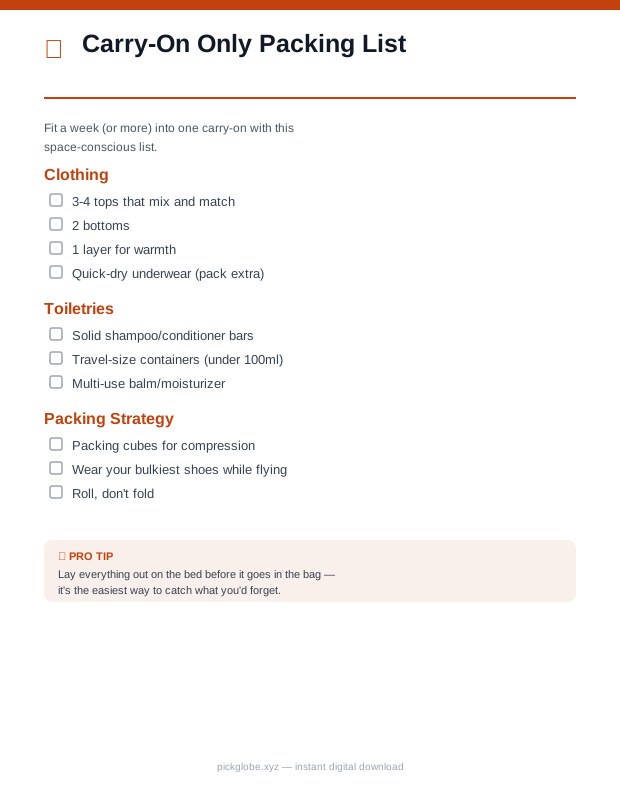 📄 PDF · Instant download1 page
Carry-On Only Packing List
Pack light and skip the checked bag — a space-efficient list for trips of any length.
Use a capsule wardrobe formula
The simplest carry-on wardrobe is built around a small colour palette. Choose two neutral colours and one accent colour, then pack tops and bottoms that all work together. For many trips, a week can fit into three or four tops, two bottoms, one warmer layer, sleepwear, underwear, socks, and one outfit that can be dressed up. If laundry is available, you can travel longer with the same amount.
Avoid packing single-use pieces unless the event truly requires them. Shoes are the biggest space thief, so wear the bulkiest pair in transit and pack only one extra pair if possible. Choose fabrics that resist wrinkles, dry quickly, and layer well. A thin merino or synthetic layer often works harder than a bulky sweatshirt.
- Base: 3 to 4 tops, 2 bottoms, 1 layer, sleepwear, underwear, socks.
- Shoes: 1 worn pair plus 1 packed pair if needed.
- Extras: swimsuit, scarf, compact rain shell, or dress outfit only if the itinerary calls for it.
- Laundry plan: sink wash, hotel laundry, laundromat, or repeat outfits confidently.
Pack toiletries with security in mind
Liquids rules depend on the airport and route, but travellers commonly need small containers in a clear bag for cabin baggage screening. Solid toiletries make carry-on travel easier: shampoo bars, conditioner bars, solid deodorant, balm, powder cleanser, and toothpaste tablets can reduce liquid space. Medication should stay accessible and, when possible, in original packaging.
Do not pack a full bathroom routine if your accommodation provides basics or if you can buy an inexpensive item after arrival. The goal is to bring what you need for the first day and anything specific you cannot easily replace. A small first-aid pouch with blister care, pain relief, and prescriptions is usually more useful than a large toiletries bag.
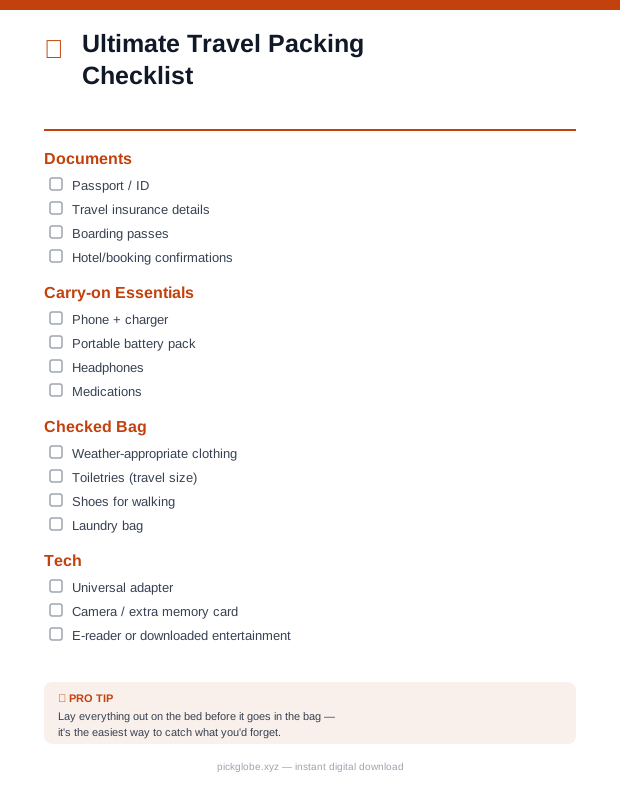 📄 PDF · Instant download2 pages
Ultimate Travel Packing Checklist
A printable, categorized packing checklist for any trip length — carry-on, checked bag, documents, and tech.
Use the personal item strategically
Your personal item should hold the things you need during transit: documents, wallet, phone, charger, portable battery, headphones, medication, water bottle, snacks, glasses, a pen, and one warm layer. If your main carry-on is checked at the gate, your personal item becomes your survival kit. Keep valuables and essentials there, not in the overhead bag.
For long flights, add a small comfort kit: earplugs, eye mask, lip balm, hand lotion, tissues, and any sleep aid approved for you. For work trips, keep your laptop and one clean top in the personal item. If checked luggage gets delayed or the overhead bin is full, you still have the items that matter most.
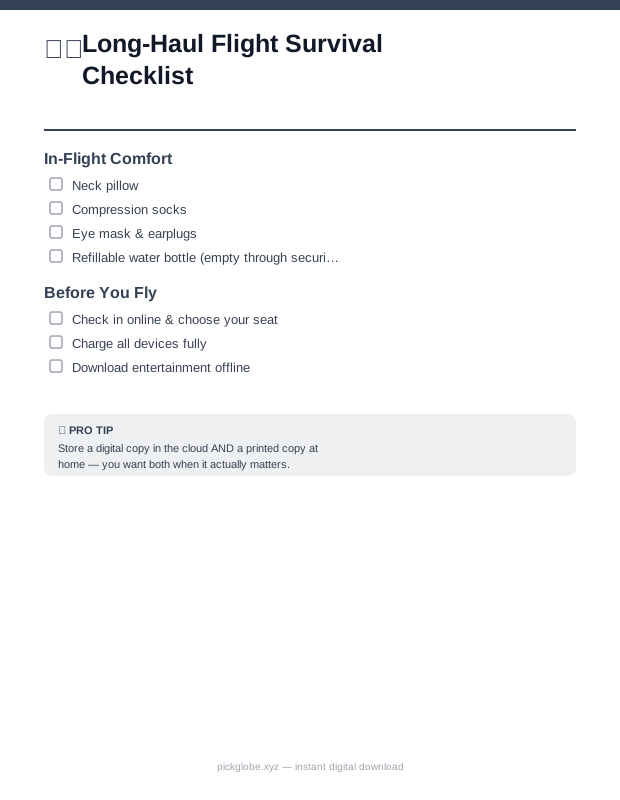 📄 PDF · Instant download1 page
Long-Haul Flight Survival Checklist
Everything to pack and do to survive (and even enjoy) a long-haul flight comfortably.
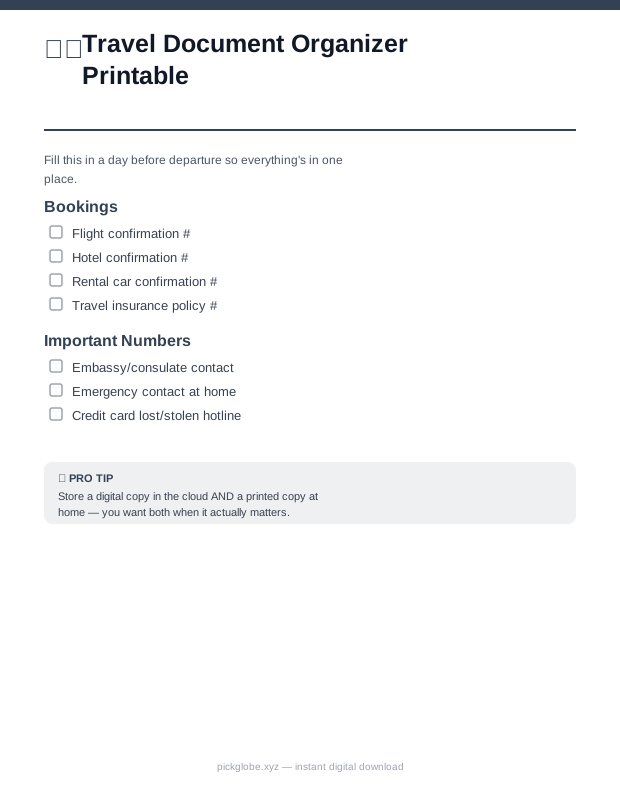 📄 PDF · Instant download1 page
Travel Document Organizer Printable
A single-page reference to log every confirmation number and document before you leave home.
Choose a packing method
Packing cubes are helpful because they divide clothing by type and compress soft items. Rolling works well for casual clothes, while folding may be better for structured pieces. Bundle wrapping can reduce wrinkles but makes it harder to access one item quickly. There is no perfect method; the best method is the one that lets you see what you packed and close the bag without sitting on it.
Pack the heaviest items near the wheels or back panel so the bag balances. Fill shoes with socks or small items. Keep liquids and electronics easy to remove if security requires it. Leave a little empty space for snacks, a souvenir, or clothing that expands after being worn. A bag packed to bursting on the way out is usually miserable on the way home.
What not to pack
Most overpacking comes from fear: fear of weather, spills, boredom, being underdressed, or not having the exact product you prefer. Reduce fear with a plan. Check the forecast close to departure, confirm laundry options, research dress expectations, and write down what you will do if something gets dirty. Once there is a backup plan, you can leave more behind.
Skip duplicate gadgets, full-size products, bulky books, excessive denim, too many shoes, and outfits that only work one way. Avoid packing for fantasy activities you have not scheduled. If you might work out but never do on trips, one light outfit is enough. If you might go to a fancy dinner but have not booked one, choose an outfit that can dress up with accessories.
- Leave behind: full-size toiletries, extra handbags, heavy hair tools, just-in-case formalwear, duplicate chargers, too many jeans.
- Consider renting or buying there: beach towels, umbrellas, ski gear, bulky baby gear, specialty equipment.
- Keep: medication, documents, payment cards, glasses or contacts, essential chargers, weather-appropriate outerwear.
Final carry-on only checklist
Do one final review the night before travel. Lay everything out and remove at least three items you added from anxiety rather than need. Then check your route: transit to the airport, weather on arrival, accommodation laundry, and the first meal or snack. A carry-on only packing list helps you make that review calmly instead of relying on memory.
When you return, update the list. Note what you wore constantly, what never left the bag, and what you wished you had. After two or three trips, your personal carry-on system becomes much easier because it is based on evidence from your own travel habits.
📄 PDF · Instant download1 pageCarry-On Only Packing List
Pack light and skip the checked bag — a space-efficient list for trips of any length.
Frequently asked questions
Can I pack for two weeks in a carry-on?+
Yes, if you plan laundry and repeat outfits. Pack for about one week, then wash and rewear.
How many shoes should I pack carry-on only?+
For most trips, wear one pair and pack one extra pair. More than that quickly takes over the bag.
Are packing cubes worth it?+
They are useful for organization and light compression, especially if you move between hotels or share luggage space.
What should never go in an overhead carry-on?+
Keep medication, documents, valuables, keys, chargers, and one essential layer in your personal item in case the bag is gate checked.