Home & Lifestyle
Household Emergency Binder and 72-Hour Kit
A household emergency binder gathers the information you would need if power, phones, water, or normal routines were disrupted. A 72-hour kit gathers the supplies your household may need to be self-sufficient for at least three days. Together, they turn vague preparedness into practical steps.
Want it on paper? This guide pairs with our Household Emergency Binder printable ($3.99).
Start with the 72-hour idea
Canadian emergency preparedness guidance commonly encourages households to be ready to manage for at least 72 hours after an emergency. That does not mean help will never arrive sooner. It means storms, floods, wildfires, power outages, boil-water advisories, road closures, or telecom disruptions can make ordinary errands impossible for several days.
Build for your real household: adults, children, older relatives, pets, medical needs, apartment or house layout, vehicle access, and local risks. A downtown renter, rural homeowner, student apartment, and family with a newborn will not need identical kits. The goal is not a bunker. The goal is enough water, food, information, light, warmth, and communication backup to stay safer while you wait for instructions or help.
 📄 PDF · Instant download3 pages
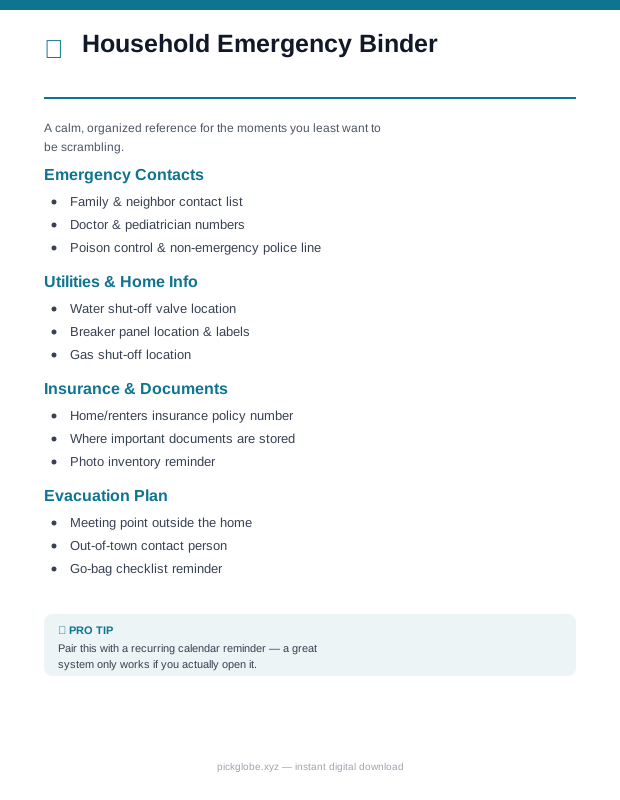
Household Emergency Binder
One organized place for emergency contacts, utility info, and evacuation plans.
What to put in the binder
The binder should be useful when you are stressed and possibly offline. Include emergency contacts, out-of-town contact, family meeting places, school and daycare information, doctor and pharmacy contacts, allergies, medications, pet details, insurance policies, utility shutoff locations, copies of key IDs, and instructions for important home systems. Store copies securely and think carefully about privacy if the binder is visible.
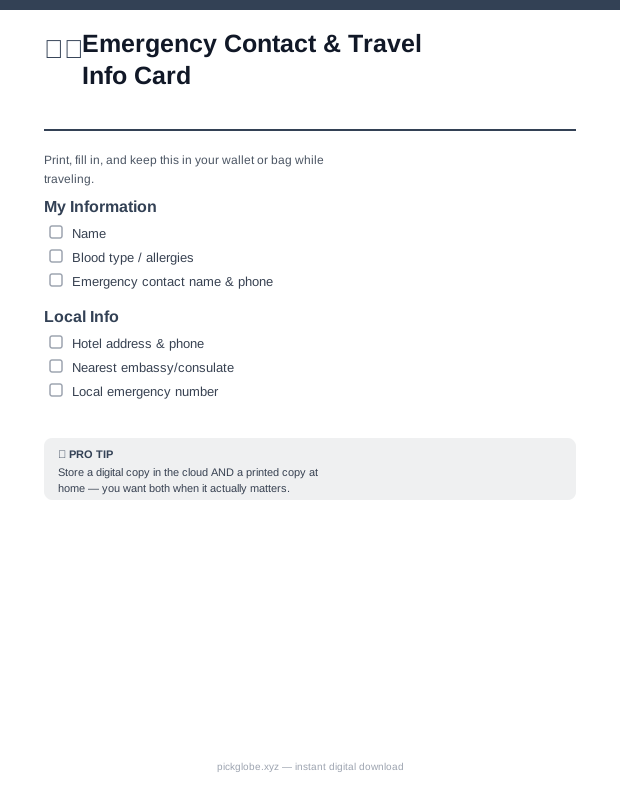
Add a one-page emergency contact card for each family member. Keep one in a wallet, backpack, glove box, or school bag. Phones fail, batteries die, and people forget numbers under stress. A simple card with names, phone numbers, address, medical notes, and an out-of-town contact can be surprisingly useful.
📄 PDF · Instant download3 pagesHousehold Emergency Binder
One organized place for emergency contacts, utility info, and evacuation plans.
 📄 PDF · Instant download1 page
Emergency Contact & Travel Info Card
A wallet-sized printable card with your key contacts and info in case of emergency abroad.
Water, food, and basic supplies
GetPrepared.ca guidance emphasizes water, non-perishable food, a manual can opener, flashlight, batteries, radio, first aid kit, special items, and copies of important documents. A commonly cited water target is at least four litres per person per day for drinking and basic hygiene. Store what you can safely rotate, and adjust for heat, medical needs, pets, and infants.
Choose food your household will actually eat: canned meals, nut or seed butter, crackers, protein bars, dried fruit, shelf-stable milk alternatives, baby food, and pet food. Check expiry dates twice a year, perhaps when clocks change. Keep a manual can opener with the food, not in a random kitchen drawer you may not be able to reach.
- Water for each person and pet, with extra if space allows.
- Non-perishable food for at least three days.
- Manual can opener, utensils, garbage bags, wipes, and hand sanitizer.
- Flashlight, batteries, battery or crank radio, and phone power bank.
- First aid kit, medication list, copies of documents, cash in small bills.
Plan for power and communication outages
A power outage changes more than lighting. It affects elevators, garage doors, routers, debit machines, refrigeration, heating or cooling systems, medical devices, and the ability to charge phones. Write down how to manually open essential doors, where flashlights are stored, how long fridge and freezer food may be safe, and which neighbour or nearby location could help if you need power for a device.
Communication plans should include more than call each other. Choose an out-of-town contact because local lines may be overloaded while another region is reachable. Decide where to meet if you cannot return home and where to meet just outside the home in case of fire. Teach children the plan in age-appropriate language.
Prepare for evacuation
An evacuation plan should answer four questions: where will we go, how will we get there, what will we take, and who needs help? Keep go-bags light enough to carry. Include copies of documents, medication, glasses, chargers, clothing layer, snacks, water, cash, pet supplies, comfort items for children, and any mobility or accessibility items.
Know two exits from each room if possible and two routes out of your neighbourhood. If you have a vehicle, avoid letting fuel or charge run to empty during high-risk seasons. If you do not have a vehicle, plan transit, taxi, rideshare, neighbour, family, or municipal options before an emergency.
📄 PDF · Instant download1 pageEmergency Contact & Travel Info Card
A wallet-sized printable card with your key contacts and info in case of emergency abroad.
Make the binder easy to use
A beautiful binder that nobody can find is not preparedness. Keep it in a known location and tell household members where it is. Use clear sections, large labels, and simple language. If you store digital copies, make sure someone else knows how to access them if you are not available. Protect sensitive documents from casual viewing, especially if you have roommates, visitors, or service workers in the home.
Review the binder twice a year. Update phone numbers, school contacts, medication, insurance, passwords storage instructions, pet information, and utility account numbers. Test flashlights, rotate food and water, check batteries, and replace outgrown children's clothing in go-bags. Preparedness is a maintenance habit, not a one-time purchase.
📄 PDF · Instant download3 pagesHousehold Emergency Binder
One organized place for emergency contacts, utility info, and evacuation plans.
Frequently asked questions
What is a 72-hour emergency kit?+
It is a set of supplies to help your household manage for at least three days, including water, food, light, first aid, documents, and special needs.
How much water should I store for emergencies in Canada?+
GetPrepared.ca guidance commonly uses at least four litres per person per day for drinking and basic hygiene.
Should emergency documents be paper or digital?+
Use both if possible. Paper works during outages, while secure digital copies help if papers are damaged or inaccessible.
Where should I keep my emergency binder?+
Keep it somewhere easy for household members to find quickly, while protecting sensitive personal information from casual access.
Printables for this
 📄 PDF · Instant download2 pages
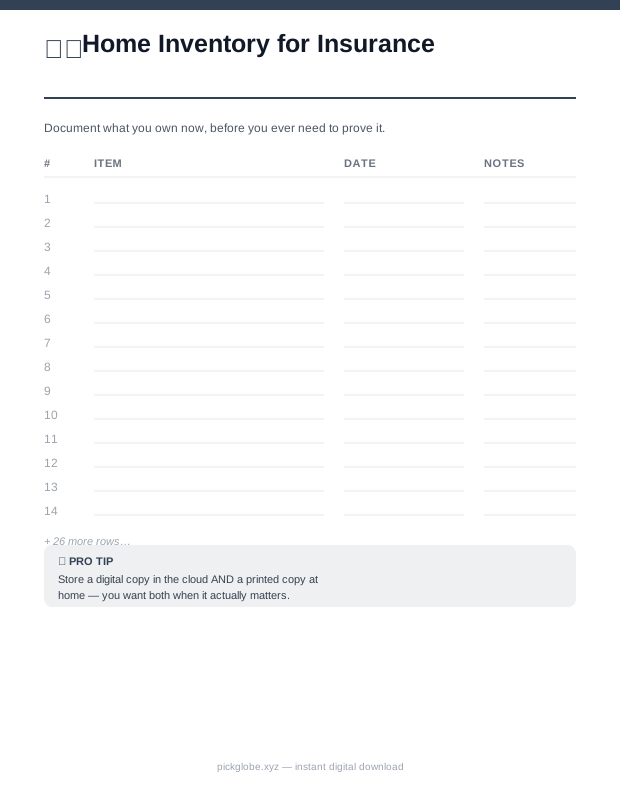
Home Inventory for Insurance
A room-by-room inventory log of your belongings — essential if you ever need to file a claim.
 📄 PDF · Instant download1 page
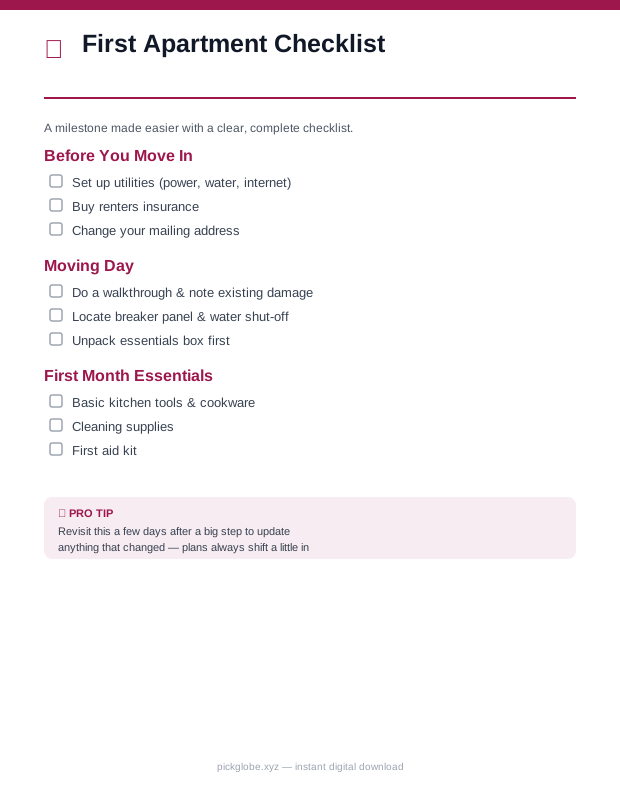
First Apartment Checklist
Everything you need to set up your very first place, from move-in to first month.