Holidays & Seasonal
How to Budget for Christmas (Without a January Credit Card Hangover)
Most Christmas overspending doesn't come from one big gift. It comes from dozens of small, unplanned extras: a second stocking stuffer run, an extra teacher gift, wrapping paper, a last-minute potluck dish, shipping to family out of province. This guide shows you how to set a realistic total, split it up, and track it so December stays fun and January stays calm.
Want it on paper? This guide pairs with our Christmas Budget & Gift Planner printable ($3.99).
Step 1: Pick one total number first
Before you make a gift list, decide the most you can spend on the whole season without borrowing. Start with what's already in your account or what you can set aside from each pay between now and mid-December. If you have eight paycheques left and can spare $60 from each, your total is $480. That number is your ceiling, not a target.
Setting the total first flips the usual process. Instead of adding up wishes and hoping it fits, you divide a fixed amount between the people and events that matter most. It also makes it much easier to say no to extras, because you can see exactly what they would replace.
Step 2: Split the total into categories
Gifts are usually the biggest category, but they are rarely the only one. Give every type of spending its own line so nothing sneaks up on you. A common starting split is roughly 60% gifts, 20% food and hosting, and 20% for everything else, but adjust it to your family: if you're hosting 15 people, food gets a bigger share.
- Gifts: family, friends, stocking stuffers, Secret Santa and gift exchanges
- Food and hosting: the big dinner, baking, drinks, potluck dishes
- Decor: lights, a tree, replacing broken ornaments
- Wrapping and cards: paper, tape, tags, stamps and shipping
- Travel: gas, flights, parking, pet sitting
- Giving: teachers, coaches, daycare staff, mail carrier, charity donations
- Going out: holiday parties, outfits, activities with the kids
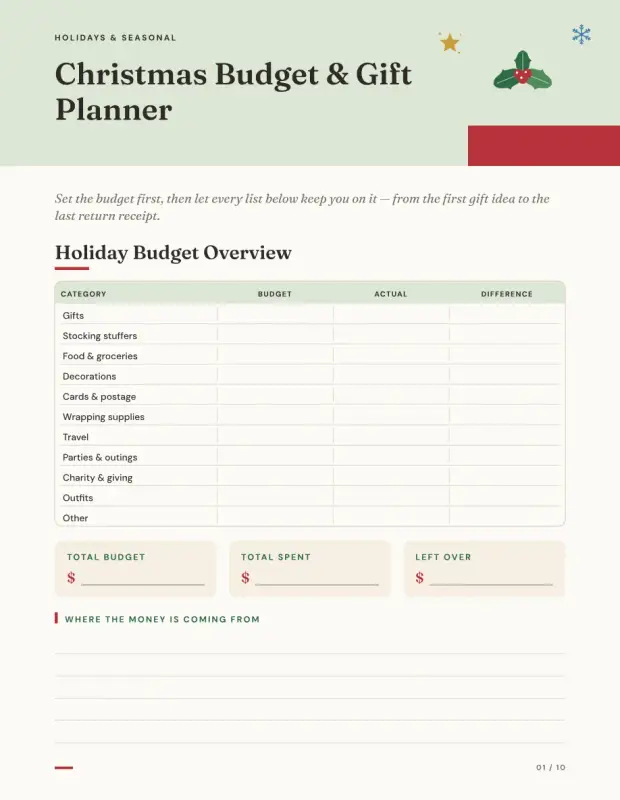 📄 PDF · Instant download10 pages
Christmas Budget & Gift Planner
Plan a calmer, debt-free Christmas: a holiday budget overview, gift lists with bought/wrapped checkboxes, stocking stuffers, card list, menus, events, a December countdown and a return tracker.
Step 3: Give every person a line and a limit
Write down everyone you plan to buy for, then give each person a budget before you start shopping. Next to it, jot down gift ideas and where to find them. When you buy, write down the actual price. This one habit (budget column, actual column) is what keeps a Christmas budget honest.
If the per-person amounts add up to more than your gift category, adjust now, not at the checkout. Families often agree to draw names for adults, set a spending cap for exchanges, or give the kids one "want, need, wear, read" set instead of a pile of smaller things.
Step 4: Track as you go, not in January
Keep one running list of every purchase: what it was, which category it came from and how much it cost. Check it once a week. If food is running over, you'll know in time to pull back on decor instead of finding out on your statement.
If you use a credit card for points or purchase protection, treat it like debit: only charge what's already set aside and pay the full balance when the statement arrives. Many Canadian credit cards charge around 20% interest on purchases, which quickly wipes out any rewards.
- Save receipts and gift receipts in one envelope or phone album
- Watch for Boxing Day and Black Friday prices, but only for items already on your list
- Include shipping costs and cut-off dates for out-of-town gifts
- Write down what you actually spent so next year's budget starts from real numbers
Low-cost ways to make it feel generous
The memories people keep are rarely about the price tag. A family kindness advent calendar, a homemade cookie tin, a printed photo, a handwritten card or an "experience coupon" (a movie night, a skating trip, a breakfast in bed) often means more than another store-bought item.
Kids especially love a December routine: a daily activity, a scavenger hunt on a snow day, or colouring their own gift tags. Printables make those routines cheap and easy to repeat.
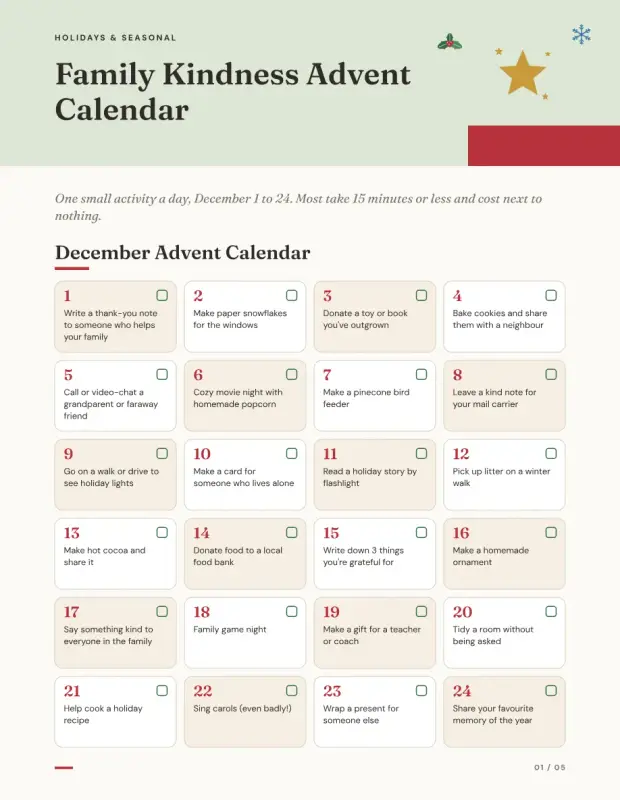 📄 PDF · Instant download5 pages
Family Kindness Advent Calendar
24 days of simple kindness and cozy family activities for December, plus a blank make-your-own calendar, 30 extra ideas to swap in, a kindness journal and a memories page.
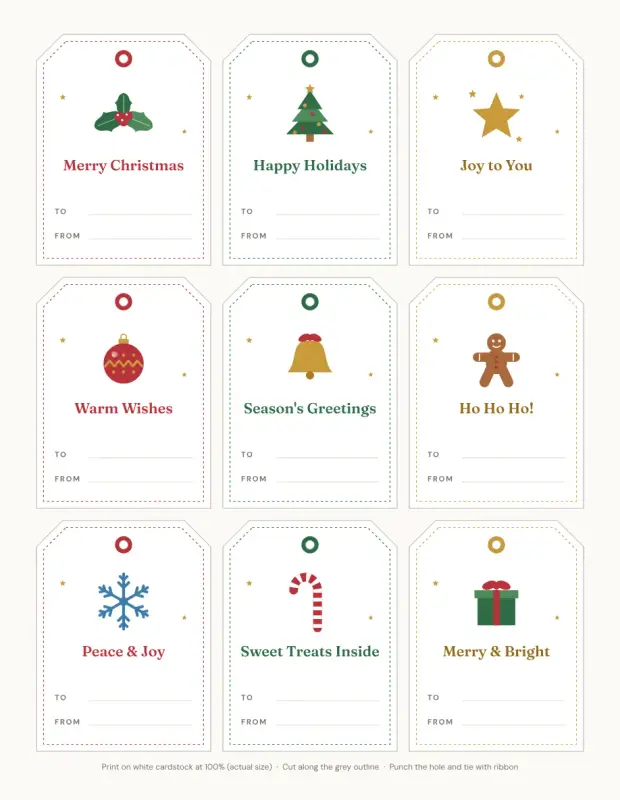 📄 PDF · Instant download6 pages
Printable Christmas Gift Tags
54 printable gift tags across 6 sheets: original holly, tree, ornament, gingerbread, candy cane, bell and snowflake designs with To/From lines, plus a sheet of blank tags for your own message.
Frequently asked questions
How much should I budget for Christmas?+
Base it on what you can pay for in cash by mid-December, not on what others spend. Add up what you can set aside from each remaining paycheque, then split that total into gifts, food, decor, wrapping, travel and giving.
When should I start my Christmas budget?+
October or early November is ideal. Starting early gives you more paycheques to save from and time to spread purchases out.
What are the hidden costs of Christmas?+
Wrapping and tape, cards and stamps, shipping, teacher and coach gifts, potluck dishes, holiday party outfits, travel and extra groceries for guests are the most commonly forgotten.
How do I stop overspending on gifts?+
Give each person a spending limit before you shop, write down the actual price of every purchase, and agree on name draws or spending caps with other adults in the family.
Printables for this
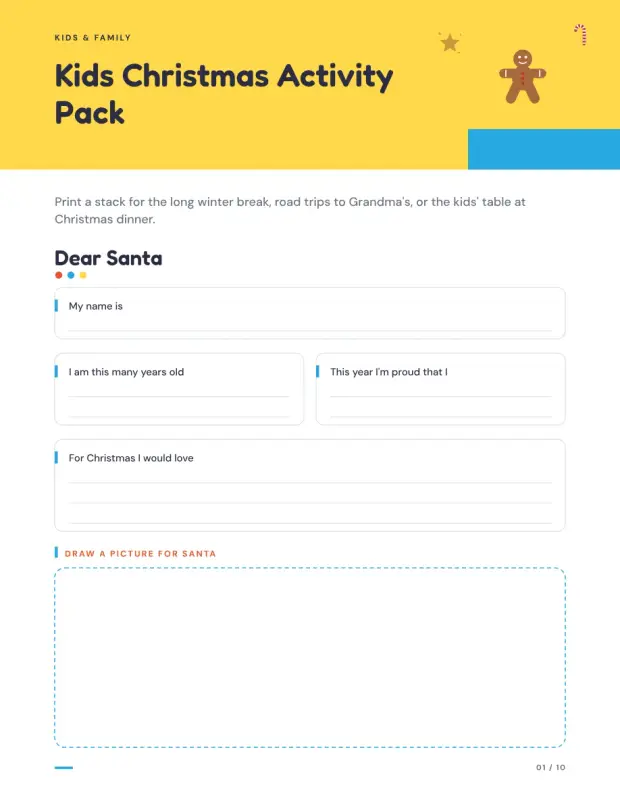 📄 PDF · Instant download10 pages
Kids Christmas Activity Pack
10 screen-free Christmas activity pages for ages 4–10: a letter to Santa, Christmas I-Spy, two colouring pages, a word scramble, a scavenger hunt, kindness bingo, a wish list, a gingerbread-house design page and a Christmas memories page. Answer keys included.
 📄 PDF · Instant download1 page
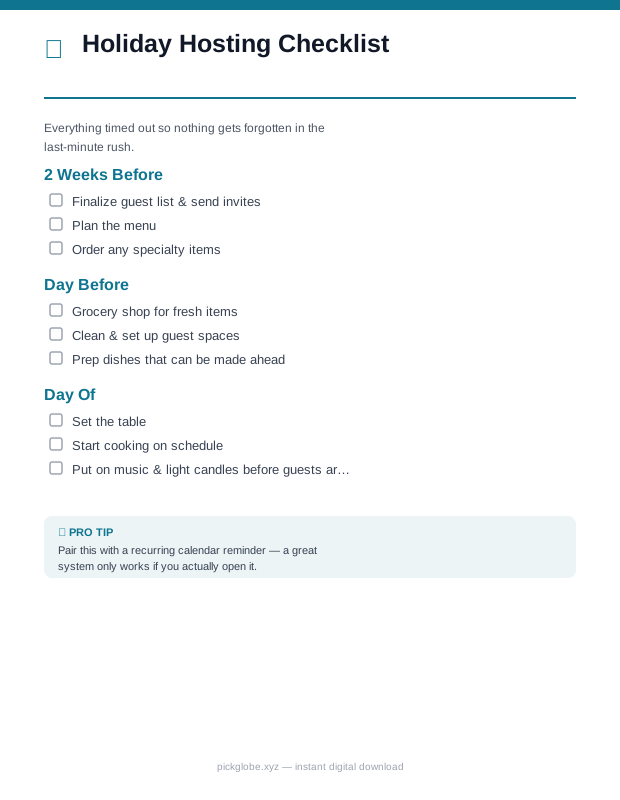
Holiday Hosting Checklist
Host stress-free with a timeline checklist from two weeks out to the big day.
 📄 PDF · Instant download1 page
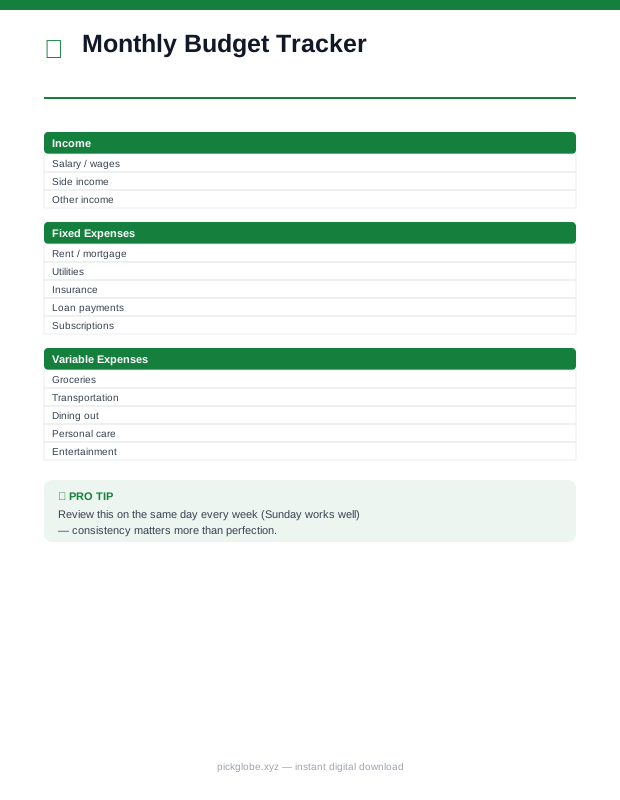
Monthly Budget Tracker
An elegant single-page ledger for income, fixed costs, and discretionary spending — budgeted vs. actual, at a glance.