Life Milestones
Moving House Checklist: 8-Week Canada Timeline
Moving is easier when the work is spread across eight weeks instead of crammed into the final weekend. In Canada, the checklist should include packing and movers, but also mail forwarding and direct address updates with government agencies. Use this timeline as a practical starting point and adapt it to your province, lease, closing date, and household size.
Want it on paper? This guide pairs with our Moving House Checklist printable ($3.99).
8 weeks before: decide and declutter
Start by confirming your move date, budget, and moving method. Get quotes from movers or truck rentals, check reviews, and ask what is included. If you are renting, review notice requirements, elevator booking rules, move-out cleaning expectations, and damage deposit conditions. If you are buying or selling, keep key dates from your lawyer, realtor, lender, and insurer in one place.
Decluttering is the highest-return task this early. Work room by room and decide what to keep, donate, sell, recycle, or discard. The less you move, the less you pack, carry, insure, and unpack. Create a simple inventory for valuable items and take photos of electronics, furniture, and existing damage in your current place.
 📄 PDF · Instant download2 pages
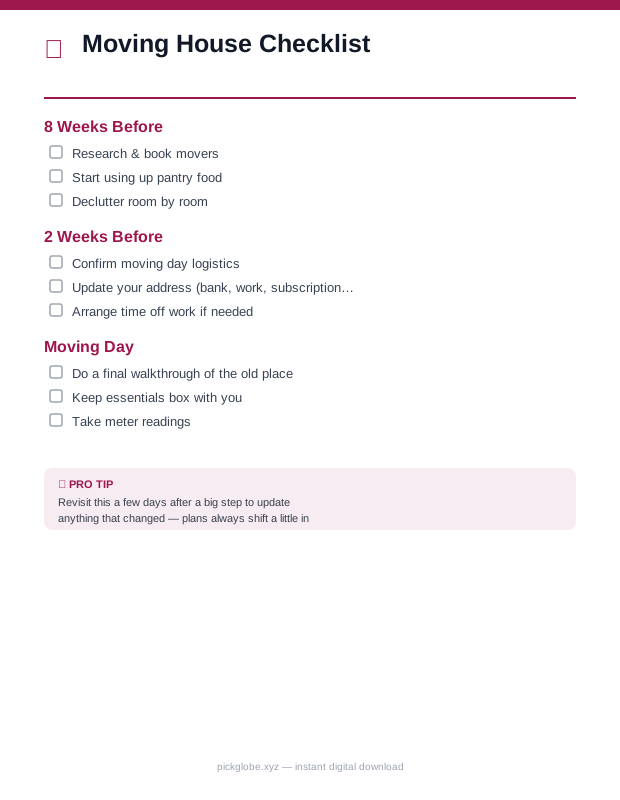
Moving House Checklist
An 8-week countdown checklist covering everything from booking movers to updating your address.
6 weeks before: plan services and supplies
Book movers, reserve a truck, or organize helpers before the best dates disappear. Collect boxes, tape, labels, markers, packing paper, mattress bags, and basic tools. If you live in a condo or apartment, book the elevator and ask about loading dock rules. If you have children or pets, arrange care for moving day so doors can stay open safely.
Start planning utilities and services: electricity, gas, water, internet, tenant or home insurance, security systems, and parking. Some services need notice, and installation appointments can fill quickly. If you work from home, internet timing deserves special attention. A one-day gap can be more expensive than planning ahead.
 📄 PDF · Instant download1 page
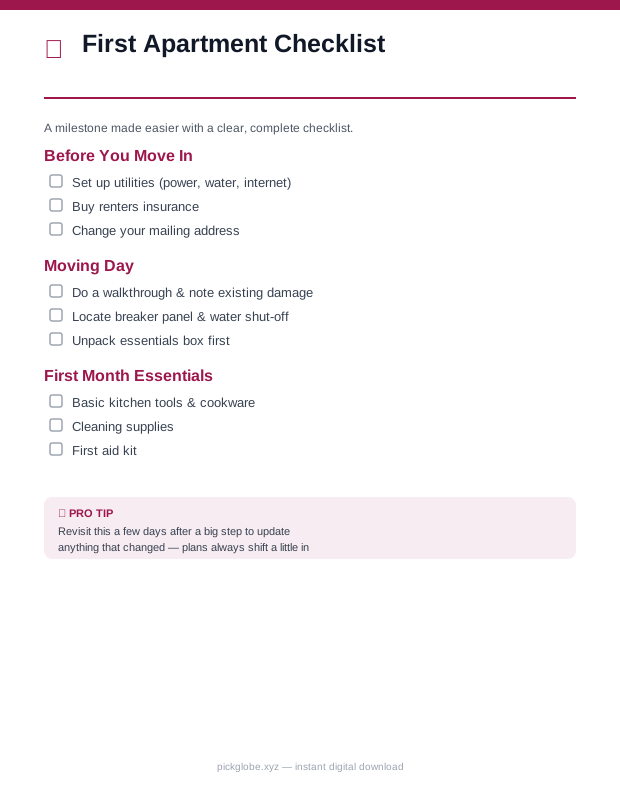
First Apartment Checklist
Everything you need to set up your very first place, from move-in to first month.
4 weeks before: start packing non-essentials
Pack the items you will not need before the move: seasonal decor, books, extra linens, formal dishes, off-season clothing, hobby supplies, and storage closets. Label every box with the destination room and a short contents list. Colour labels or numbered boxes can help, but clarity matters more than a fancy system.
Create a moving binder or folder for quotes, receipts, lease or closing documents, insurance, utility confirmations, elevator bookings, school records, pet records, and inventory notes. If you may claim moving expenses or need records for an employer relocation, keep receipts organized from the beginning. Rules vary, so confirm details with the appropriate source before assuming anything is deductible.
 📄 PDF · Instant download3 pages
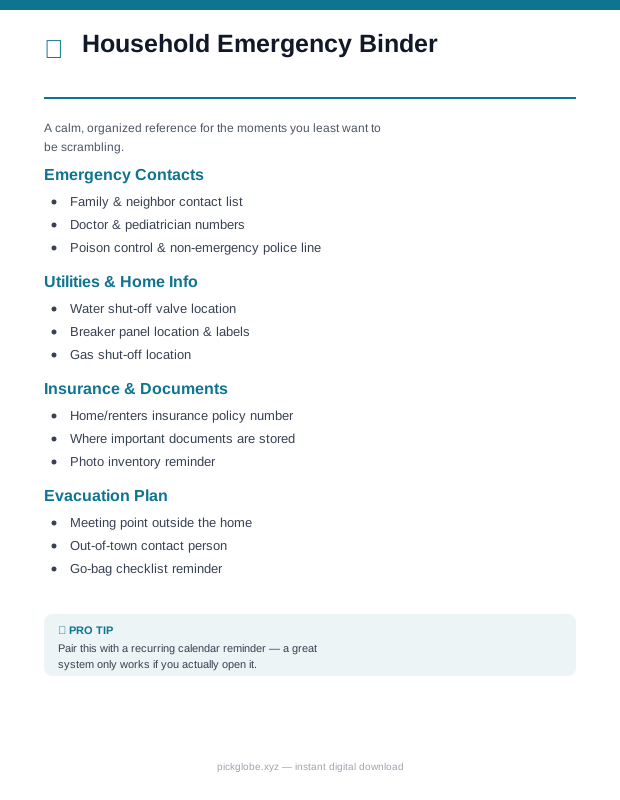
Household Emergency Binder
One organized place for emergency contacts, utility info, and evacuation plans.
3 weeks before: update addresses intentionally
Canada Post mail forwarding can be a useful safety net, but it does not update your address with organizations for you. Make a direct update list: CRA, your province or territory health card program, driver's licence and vehicle registration, bank, credit cards, employer, school, insurance, pension or benefits, subscriptions, doctor, dentist, veterinarian, and any professional licences.
Timing rules for driver's licences, vehicle permits, and health cards vary by province or territory, often with deadlines measured in days after a move. Check your provincial site rather than guessing. For CRA, update your address directly through CRA My Account, by phone, or by mail so tax and benefit correspondence goes to the right place.
- Forward mail through Canada Post as backup, not as the only address change.
- Update CRA directly so tax and benefit mail is not missed.
- Check provincial rules for health card, driver's licence, and vehicle registration deadlines.
- Tell banks, insurers, employer payroll, schools, and recurring subscriptions.
2 weeks before: confirm the moving day plan
Confirm arrival time, parking, elevator booking, payment method, insurance coverage, and contact numbers with your mover or helpers. Start packing most remaining items, leaving only daily essentials. Use up freezer and pantry food. Return borrowed items, library books, rentals, and anything that belongs to neighbours or friends.
Pack a first-night box and keep it with you. Include toilet paper, soap, towels, shower curtain if needed, bedding, pyjamas, basic dishes, kettle or coffee supplies, snacks, chargers, scissors, garbage bags, cleaning wipes, medications, pet food, and a change of clothes. The first night is much easier when you are not opening ten boxes for one toothbrush.
📄 PDF · Instant download2 pagesMoving House Checklist
An 8-week countdown checklist covering everything from booking movers to updating your address.
📄 PDF · Instant download1 pageFirst Apartment Checklist
Everything you need to set up your very first place, from move-in to first month.
Moving week: protect essentials and records
Finish packing, defrost the freezer if needed, clean as you go, and photograph utility meters if applicable. Keep passports, IDs, medication, payment cards, keys, lease or closing documents, phone chargers, and valuables with you rather than in the moving truck. If you have pets, keep carriers, food, and vaccination records accessible.
Do a final walkthrough of every room, closet, cabinet, balcony, locker, garage, and storage area. Take photos after cleaning, especially if you rent. Leave keys, fobs, garage openers, and manuals as agreed. At the new place, check locks, smoke and carbon monoxide alarms, water shutoff, breaker panel, heat, fridge, and any visible damage before you fully unpack.
 📄 PDF · Instant download2 pages
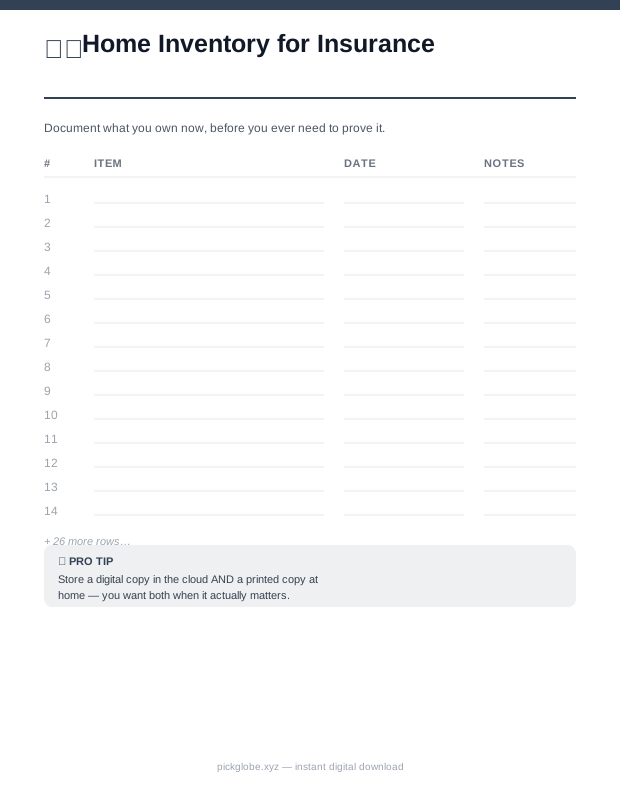
Home Inventory for Insurance
A room-by-room inventory log of your belongings — essential if you ever need to file a claim.
After the move: settle the systems
Unpack essentials first, then bedrooms, bathroom, kitchen, and work or school areas. Register for local services if needed, update saved delivery addresses, test mail forwarding, and confirm utilities are billing correctly. If you moved provinces, review health coverage transition rules, vehicle registration, driver's licence requirements, and insurance changes promptly.
Within the first month, create a simple home reference page: emergency contacts, utility account numbers, garbage and recycling schedule, water shutoff location, breaker panel notes, appliance manuals, insurance policy numbers, and landlord or condo contacts. Future you will be grateful the next time something leaks, beeps, breaks, or needs renewing.
📄 PDF · Instant download3 pagesHousehold Emergency Binder
One organized place for emergency contacts, utility info, and evacuation plans.
Frequently asked questions
When should I start packing for a move?+
Start about four weeks before with non-essentials. Begin decluttering and booking movers around eight weeks before if possible.
Does Canada Post mail forwarding update CRA?+
No. Mail forwarding can redirect mail, but you should update your address directly with CRA and other organizations.
When do I update my driver's licence after moving?+
Rules vary by province or territory, so check your local government site. Many deadlines are within days or weeks of moving.
What should go in a first-night moving box?+
Pack toiletries, towels, bedding, medications, chargers, snacks, basic dishes, toilet paper, soap, pet needs, and a change of clothes.