Money & Budgeting
No-Spend Challenge Rules: What Is Allowed?
A no-spend challenge is a short, intentional pause on non-essential buying. It can help you reset habits, free up cash for a goal, and notice the small purchases that slip through unnoticed. The challenge works best when the rules are clear before day one.
Want it on paper? This guide pairs with our No-Spend Challenge Tracker printable ($3.99).
What a no-spend challenge really means
A no-spend challenge does not mean spending zero dollars on life. Rent, mortgage payments, groceries, utilities, prescriptions, transit, insurance, childcare, and minimum debt payments still count as normal essentials. The challenge is about pausing optional spending: impulse online orders, takeout, extra coffee runs, clothing you do not need, app upgrades, convenience purchases, and entertainment you could replace with a free option.
The best length depends on your season of life. A weekend challenge is a low-pressure start. A 7-day challenge is useful if you want a quick reset between paycheques. A 30-day challenge gives enough time to see patterns, but it needs more planning. If your rules are too strict, you may quit early or binge spend afterward, which defeats the purpose.
This guide is general financial information, not personal financial advice. If debt, bills, or cash flow feel unmanageable, consider speaking with a qualified credit counsellor, financial planner, or another professional who can review your full situation.
 📄 PDF · Instant download2 pages
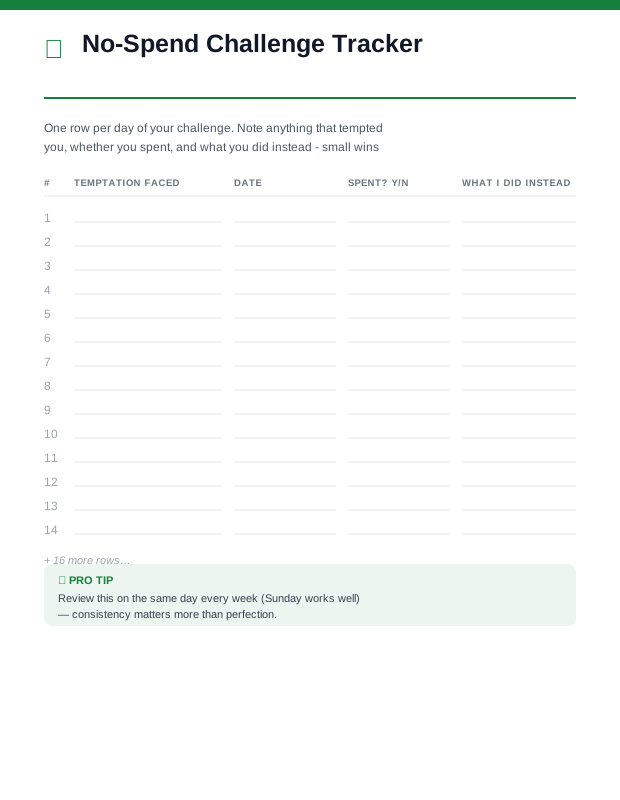
No-Spend Challenge Tracker
A 30-day no-spend challenge log — track each day, what tempted you, and how you resisted (or didn't).
Pick one goal and one time frame
Before you write any rules, decide why you are doing the challenge. A clear goal changes the mood from punishment to purpose. You might want to put $200 CAD toward an emergency fund, stop using a credit card between paydays, prepare for a move, cover a school expense, or learn which purchases are emotional rather than necessary.
Choose a time frame that fits your calendar. Do not start during a planned vacation, a wedding weekend, or a week when your fridge is empty unless the point is to practise a harder version. A realistic challenge can still be meaningful. The win is not perfection; the win is becoming more conscious about money.
- Short reset: 48 hours with no takeout, shopping, paid entertainment, or online impulse buys.
- Medium reset: 7 days with planned groceries and free social activities.
- Deep reset: 30 days with a written allowed list, temptation log, and weekly review.
- Targeted reset: no clothing, no delivery apps, no bookstore spending, or no hobby purchases for one month.
Make an allowed list
The allowed list prevents decision fatigue. Write it down before the challenge begins and keep it somewhere visible. Essentials are usually allowed, but define them clearly. Groceries are allowed; gourmet snacks from a convenience store may not be. Transportation to work is allowed; a rideshare because you left late may become a note to plan better next time.
Include planned exceptions if they are truly important. For example, a birthday gift you already budgeted for, a medical co-pay, pet food, school fees, or replacing a broken phone charger may be allowed. The point is not to make life unsafe or unfair. The point is to remove autopilot spending.
- Usually allowed: housing, utilities, basic groceries, medication, work transit, insurance, childcare, minimum debt payments.
- Usually paused: takeout, clothes, decor, paid downloads, extra subscriptions, beauty extras, hobby supplies, random online carts.
- Decide in advance: gifts, social plans, school costs, pet costs, fuel, personal care, kids activities.
 📄 PDF · Instant download1 page
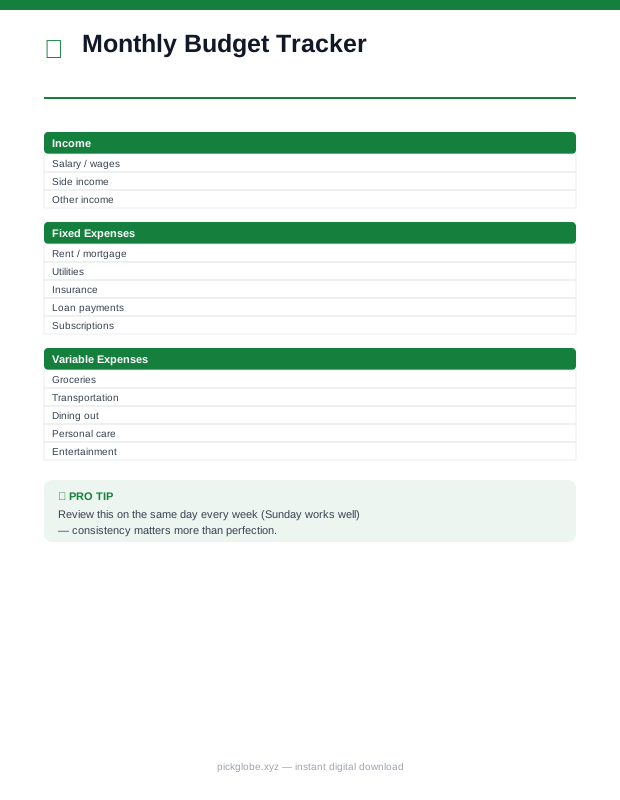
Monthly Budget Tracker
An elegant single-page ledger for income, fixed costs, and discretionary spending — budgeted vs. actual, at a glance.
 📄 PDF · Instant download1 page
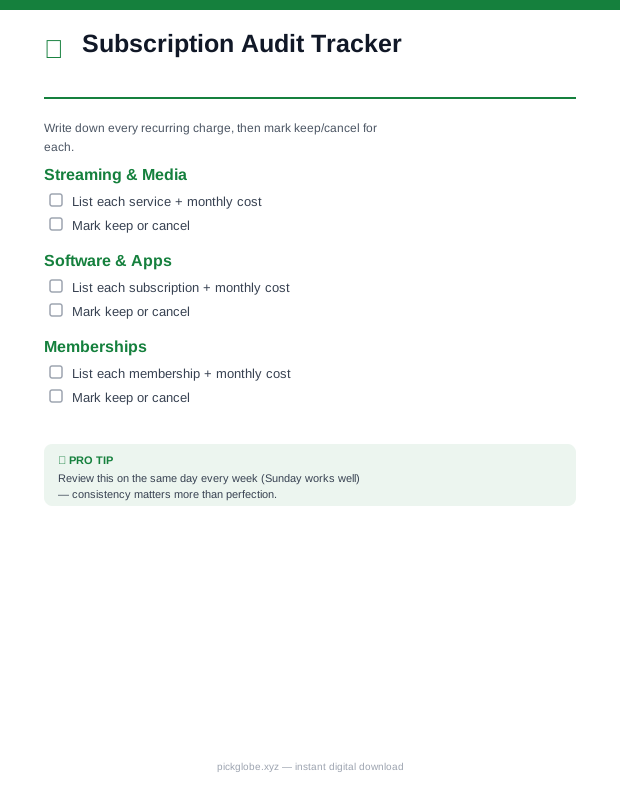
Subscription Audit Tracker
List every subscription you pay for, spot the ones you forgot about, and cut the waste.
Prepare before day one
Preparation makes the challenge feel calmer. Check your pantry, plan simple meals, return library books, fill prescriptions if needed, and make sure you are not setting yourself up to buy emergency basics on day two. Delete shopping apps for the challenge period or log out so buying requires more effort. Unsubscribe from sale emails if they are a major trigger.
It also helps to create a free fun list. People often spend because they are tired, bored, lonely, or craving a treat. If you wait until that moment to invent alternatives, buying will feel easier. Make a list of walks, library holds, free community events, home movie nights, potluck dinners, closet shopping, recipe challenges, and unfinished projects you can enjoy without spending.
Track temptations, not just purchases
The most valuable part of a no-spend challenge may be the temptation log. Each time you want to buy something, write what it was, the price, the feeling behind it, and what you did instead. After a week, patterns become obvious. Maybe late-night scrolling leads to home decor carts. Maybe stressful workdays lead to delivery. Maybe errands with no snack plan lead to convenience spending.
A printable no-spend tracker keeps this visible without requiring an app. You can mark each day, note whether you spent, and record the replacement action. If you do spend, do not restart the whole challenge unless that feels motivating. Note what happened, adjust the rule if needed, and continue the next day.
📄 PDF · Instant download2 pagesNo-Spend Challenge Tracker
A 30-day no-spend challenge log — track each day, what tempted you, and how you resisted (or didn't).
Avoid the rebound spend
A common mistake is treating the challenge end date like a finish line for delayed shopping. If you saved every impulse purchase in a cart and buy it all on day thirty-one, you learned about your triggers but did not keep the savings. Instead, use a 48-hour review. Look at every wanted item after the challenge and decide whether it is still useful, affordable, and aligned with your goal.
Move the money you saved before it disappears into everyday spending. Send it to savings, debt, a sinking fund, or a bill category. Then keep one small rule for the next month, such as no takeout on weekdays or a 24-hour wait before online purchases. That makes the challenge a bridge to a better budget, not a one-time stunt.
 📄 PDF · Instant download1 page
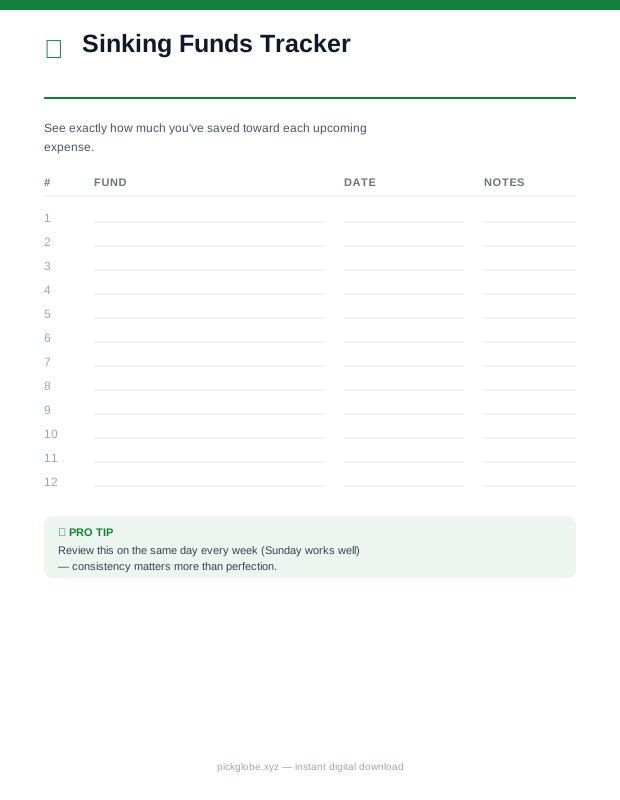
Sinking Funds Tracker
Track savings progress across all your sinking funds — car repairs, gifts, vacations, and more.
 📄 PDF · Instant download2 pages
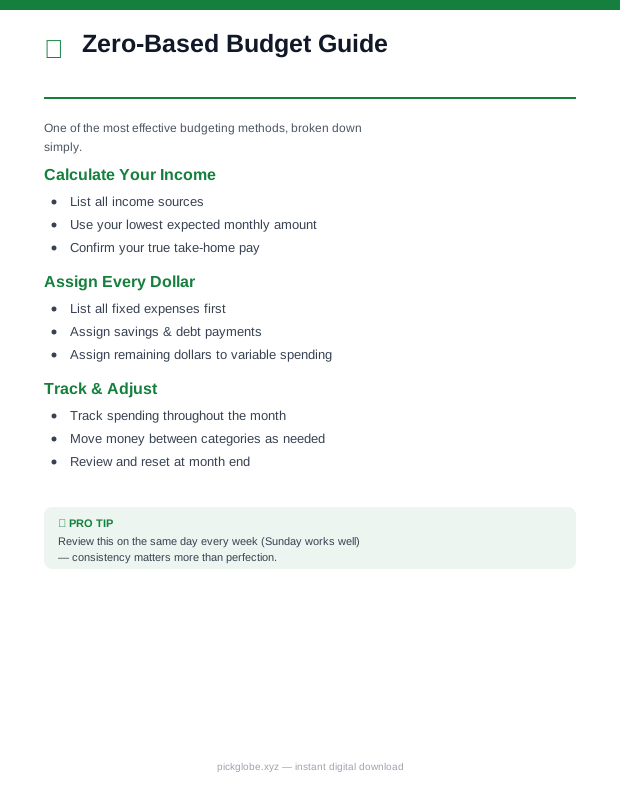
Zero-Based Budget Guide
A step-by-step guide to giving every dollar a job using the zero-based budgeting method.
Frequently asked questions
Are groceries allowed in a no-spend challenge?+
Yes, basic groceries are usually allowed. Many people set a grocery limit and focus on using pantry and freezer food first.
What happens if I spend during a no-spend month?+
Write down what happened, whether it was essential, and what you will change. One slip does not erase the value of the challenge.
Can I do a no-spend challenge with kids?+
Yes, but make rules realistic. Keep school needs, medical needs, food, and planned family commitments on the allowed list.
How much money can a no-spend challenge save?+
It depends on your normal discretionary spending. The bigger benefit is often learning which purchases are habits rather than needs.